





Electroplating or plating uses an electric current to reduce dissolved metal to form metal coatings on other objects. Electroplating changes the chemical, physical, and mechanical properties of the object. Most of the time electroplating is used to change the surface components of a material. For example, nickel is used to make the surface of objects less corrosive. Other properties that electroplating is used for is abrasion/wear resistance, corrosion protection, lubricity, and aesthetic qualities like color, or design.
Invented by the Italian chemist, Luigi Valentino Brugnateli in 1805, electroplating has adapted over the centuries. In the 1840 Russia and Britain devised way to use copper to coat printing press plates. In the 1850’s commercial use of electroplating became widespread. In the mid-19th century electroplating was used by artists to make statues more appealing. One notable location is the Cathedral of Christ in Saviour Moscow, and St Isaac’s Cathedral in Saint Petersburg. Other uses of electroplating have emerged due to an increase in technology.
Electroplating is used in all types of applications. Notably in electronic parts as well as automotive manufacturing. In electrical components, electroplating is used to on copper and brass connectors to create better conductivity. In the telecommunications sector, induct gold and palladium are used as switchgears. Automotive industries use electroplating to coat parts in chrome. Bumpers, grills and rims can look brand new with a coat. Electroplating is used for a variety of reasons in many different industries.
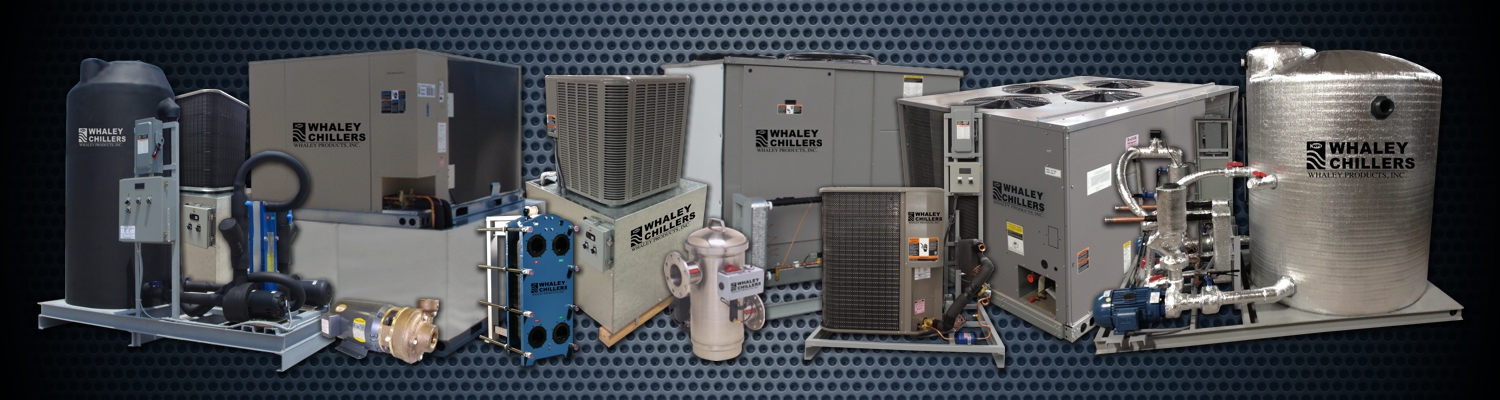
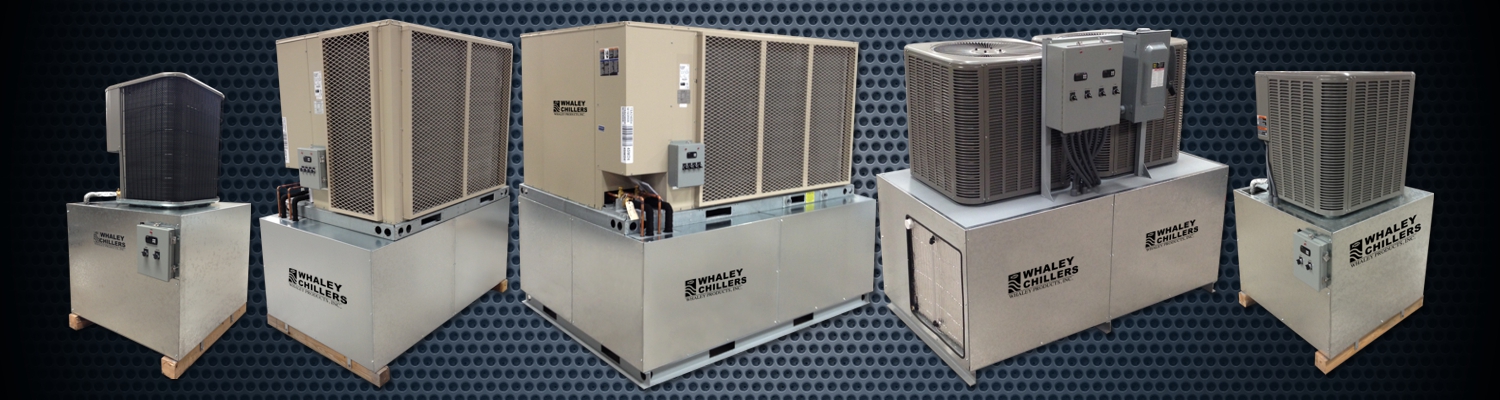
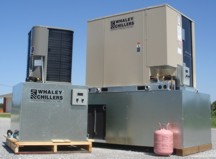 Packaged Chillers Non-expandable (integrated pump tank) 1.5Ton – 20Ton Single / Dual Circuits Single / Dual Pumps |
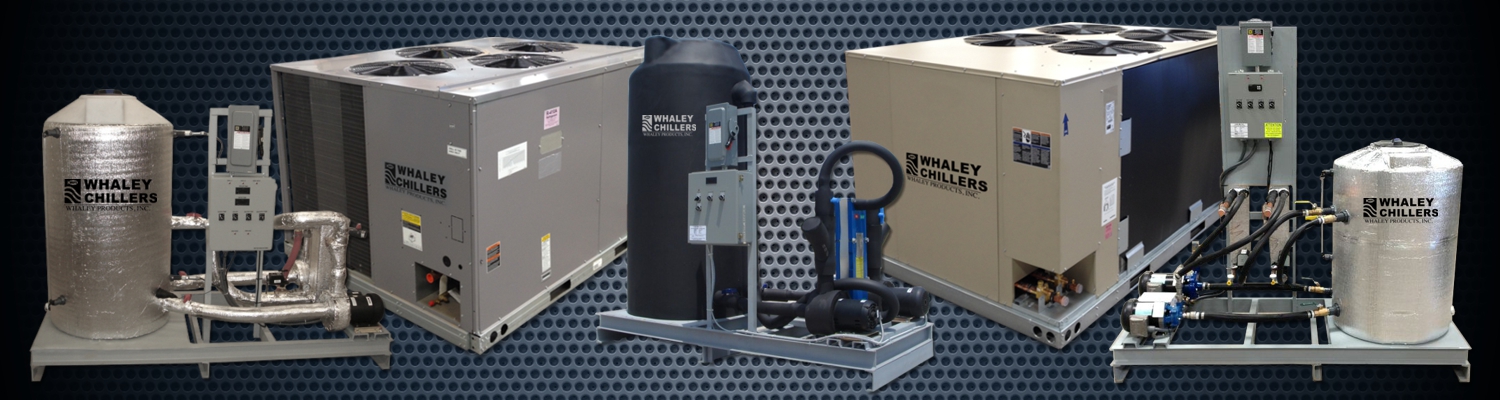
 SAE Series Modular Chillers Expandable (pump & tank on separate skid) 1.5Ton – 200Ton Single / Dual Circuits |
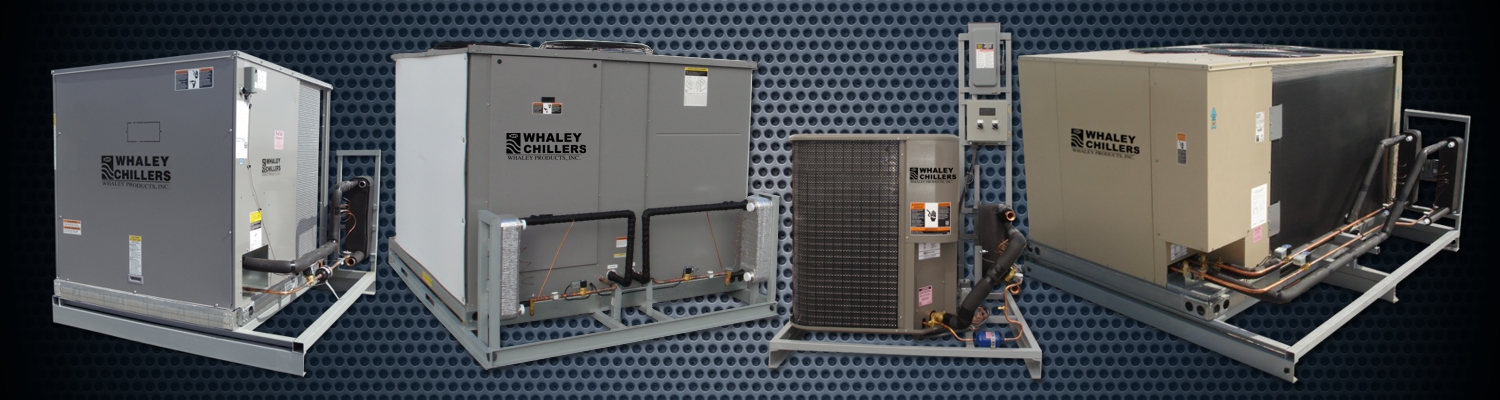
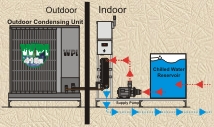 SAR Series Split Chillers Expandable (Outdoor Condensing Unit) (pump, tank, evaporator on indoor skid) 1.5Ton – 200Ton Single / Dual Circu |